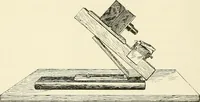
Popular photographic printing processes : a practical guide to printing with gelatino-chloride, artigue, platinotype, carbon, bromide, collodio-chloride, bichromated gum, and other sensitised papers (1898)
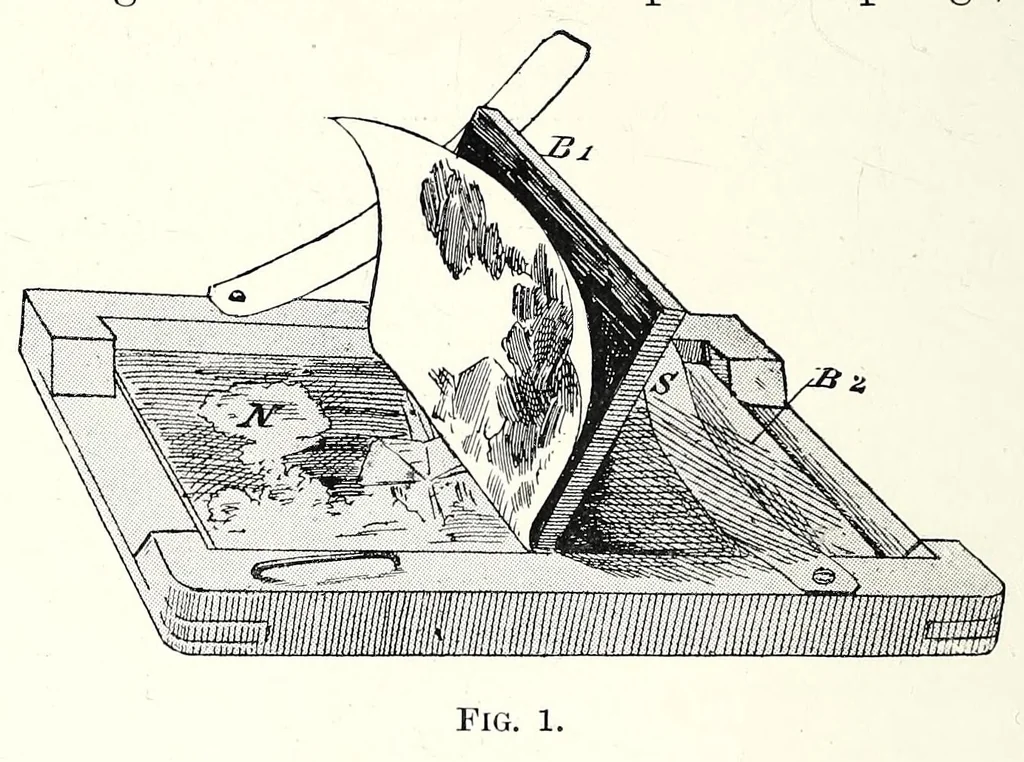
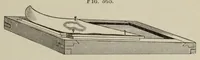
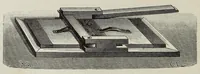
film side up ; one half of the back, and with it the paper in course of being printed, is turned back (B 1), the other half of the back (B 2) being held in close contact with the negative by the pressure-spring (S) ; this usually ensures that on turning down the half of the back (B 1) after… … strong, are likely to break the negative, particularly if, as is not infrequently the case, the frame has slightly warped. If they are too loose, the print is apt to shift whenever it is examined, as before described. The best way to avoid this risk is to place the frame upon a flat surface, and,…
Photography
Internet Archive · Getty Research Institute · Public domain (published before 1931). Free to use for anything.