An introduction to the science & practice of photography (1895)
Jones, Henry Chapman, 1854- · London, Iliffe, Sons & Sturmey Ltd · leaf 136
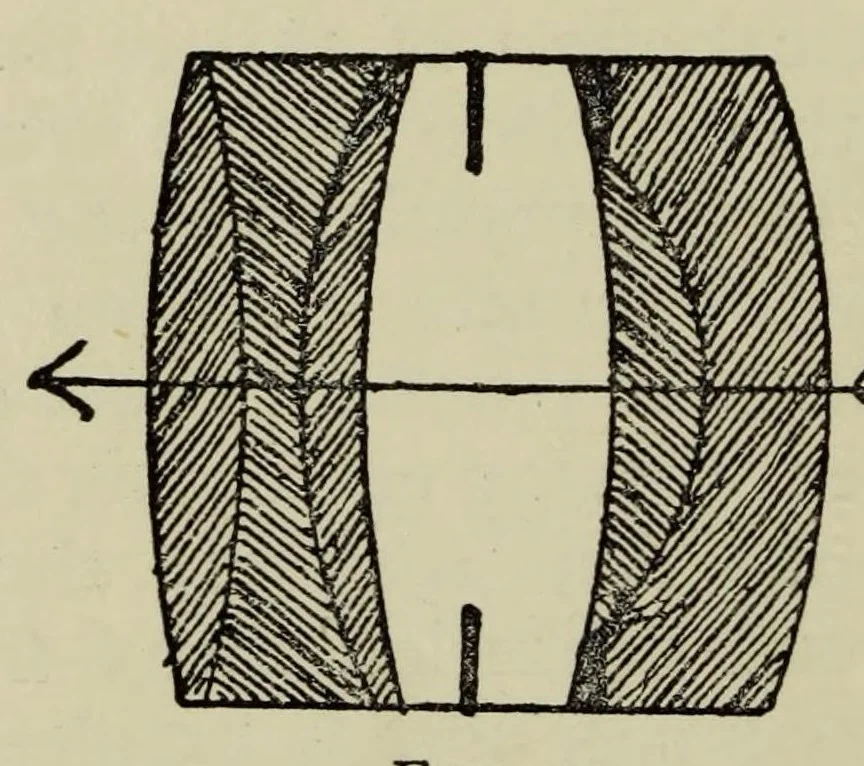
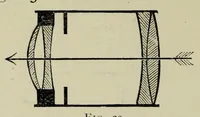
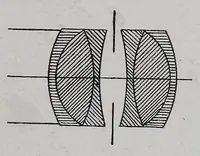
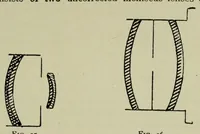
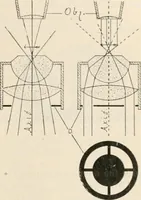
ter to that of the other. By combining two such achromatic combinations the astigmatism of the one is neutralised by that of the other. There are, of course, very many ways of taking advantage of this principle. Carl Zeiss, of Jena, was the first to put upon the market lenses embodying this… … Fig. 37. maximum aperture of f/7'2. Two slower series, made especi- ally for copying, have apertures of f/i2*5 and f/18 respectively, and are unsymmetrical doublets, each combination consisting of two lenses cemented together. At the same time Zeiss introduced an apochromatic triplet of an aperture…
Photography
Internet Archive · Getty Research Institute · Public domain (published before 1931). Free to use for anything.