An introduction to the science & practice of photography (1888)
Jones, Chapman · London : Iliffe & Son · leaf 80
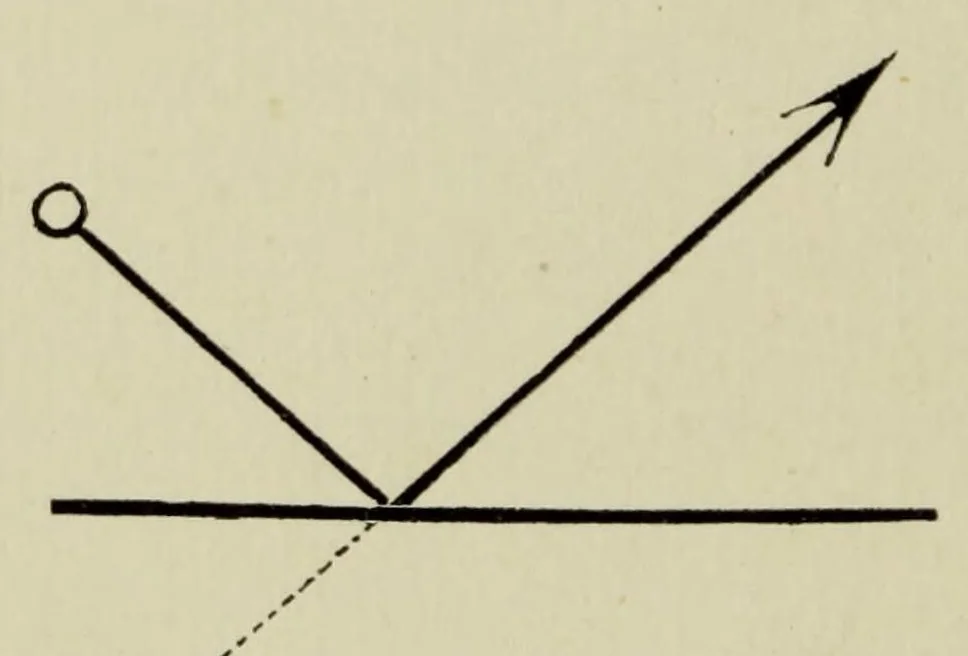
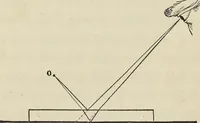
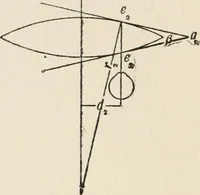
lways making equal angles with the reflecting surfaces. Any surface that is used to get regular reflection is technically called a " mirror," and according to the shape of the mirror, whether flat or curved, so it is termed plane, convex, concave, cylindrical, parabolic, &c. The commonest example… … Fig. 4. The effect of a plane mirror is shown in fig. 4. The eye sees the ball and also a reflection of it, because the light that emanates from the ball in the direction of the line towards the mirror has its direction changed, and enters the eye. If light from the same object reaches the eye in…
Photography
Internet Archive · Getty Research Institute · Public domain (published before 1931). Free to use for anything.